Museu do Palácio Nacional da Ajuda
Is a big neoclassical structure which is now a museum. It was built at the site of the old Royal Palace, which perished in the flames of a big fire in 1795. The construction was completed in 1861 just in time for the wedding between King Luis I to an Italian princess.
Lisbon Story Centre
Is located close to the river at Praça do Comércio. It presents the history of the city in a popularized interactive fashion through audiovisual effects. A film shows the history of the terrific earthquake in 1755. A great introduction to the history of the city, which will capture the fantasy of children as well.
Museu Calouste Gulbenkian
Calouste Gulbenkian was an oil magnate and philanthropist of Armenian-British decent. He was an ardent art-collector and being one of the richest people in the world; his life-long collection is truly magnificent. After his death, the collection was transferred into the ownership of a Foundation with the condition that all 6.000 art pieces should stay together under one roof. Not only the exhibitions but also the surrounding park is worth a visit on a sunny day.
Museu do Aljube – Resistência e Liberdade
The dark years of dictatorship in Portugal from 1928 to 1974 and its abrupt termination on April 25th, 1974, have defined Portuguese society more than any other event.
Aljube, in Alfama, was the prison of the regime’s brutal secret police PIDE. Today the fortress-like building serves as a museum dedicated to the years of colonialism and dictatorship.
Museu do Oriente
Is a museum of oriental artefacts from the days of the seafarers. It is located in a reconstructed commercial building by the former docks at the Tagus River Port in Alcântara.
Museu de Artes Decorativas
A museum displaying older decorative pieces of art (15-18 century) located in an old aristocratic palace from the 18th century.
Museu do Design e da Moda
Is a museum displaying design and fashion from the 1930ies onwards. It contains works from designers such as Capelo, Dias, da Costa, da Silva, Monteiro, Garcia, Bloc, Juhl, Beltzig, Sipek, Szekely, Gigli among others.
Museu Nacional do Teatro e da Dança
Holds a collection of more than 300.000 pieces of costumes, stage models and other theater pieces and is interesting to visitors without any knowledge of theaters in general and Portuguese drama in particular.
Museu do Fado
Fado more than any other genre of music reflects the Portuguese soul. The genre originated in Alfama, which is also the home of this small easily digestible museum. The entrance fee includes an audio-guide.
Museu Nacional do Azulejo
The characteristic Azulejo wall tiles are omnipresent whenever you stroll through the older neighborhoods of the city. Set in an old convent from the 16th century, you can explore its history and admire the museums impressivecollection.
Aqueduto das Águas Livres
Built during the 18th century, the enormous construction of the Lisbon aqueduct remains a symbol of its refined architecture and engineering. It was so well constructed that it survived what is believed to be the most forceful European earthquake in historical times. Walk on top of the structure and see the adjacent museum.
Oceanario de Lisboa
Is a world class aquarium located inside the Parque das Naҫões. It is the second largest in the world. The main aquarium has a size of 5 000 m³ and is home to more than 100 nautical animals from all corners of the world. Four smaller tanks represent the fauna and flora of various habitats – North Atlantic, arctic, Pacific and tropical – and further 25 smaller aquariums cover various other themes. Truly one of Lisbon’s most impressive attractions.
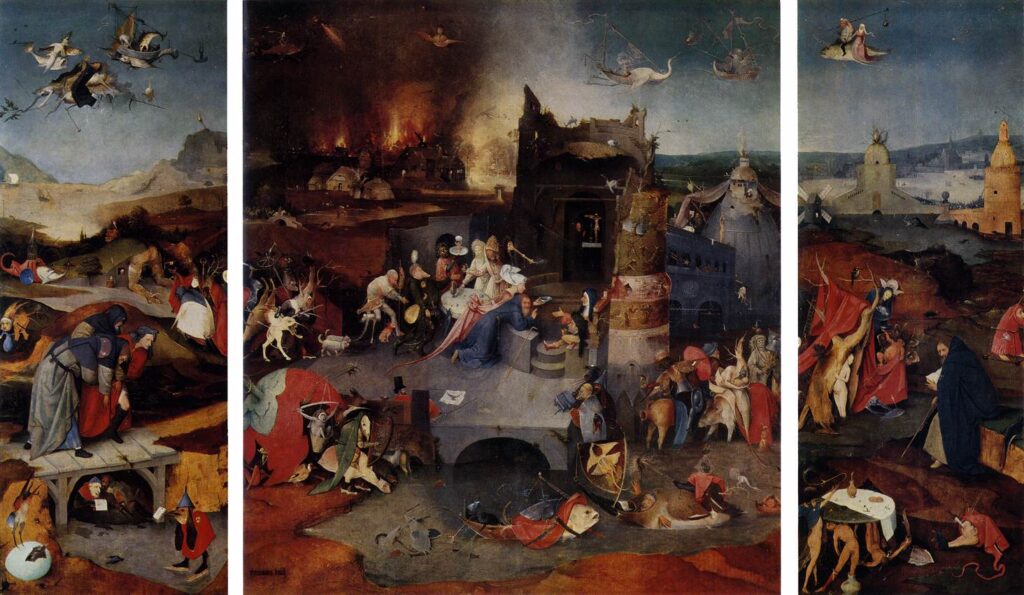
Museu Nacional de Arte Antiga
Is the National Gallery. It displays a rich collection of paintings, sculptures, furniture, porcelain, gold, silver and textile from the days of the old empire.